Imagine a web agency with many customers, many websites, ecommerce to manage, salespeople selling services, developers working on the websites, and employees to monitor. Normally, you’d use many different programs.
WPImperium was created to solve a common problem faced by WordPress web agencies.
From day one, you struggle to save passwords, manage clients, and generate quotes efficiently. You end up juggling multiple disconnected tools:

This fragmentation increases costs, duplicates data, and makes it difficult for administrators to maintain clear oversight.
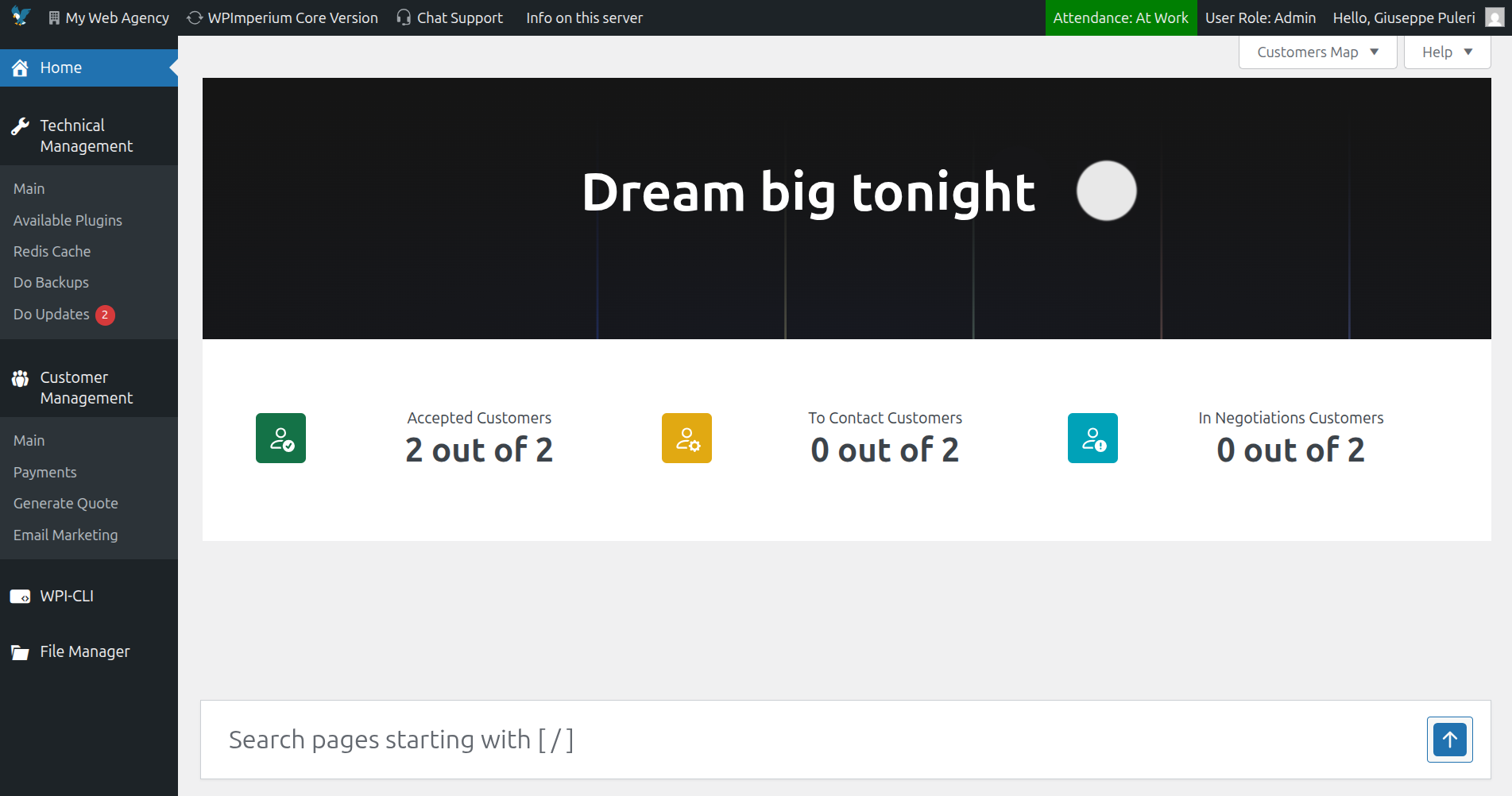
WPImperium’s vision is to unify all these functions into one dashboard.
It is designed to support all web agencies by managing all your sites from a single UI, even on a large scale.
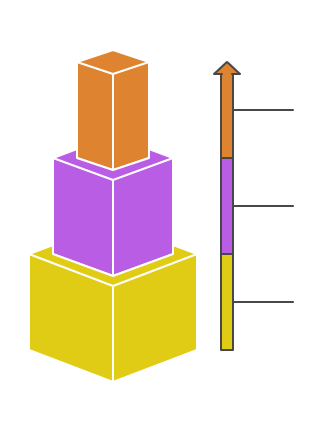
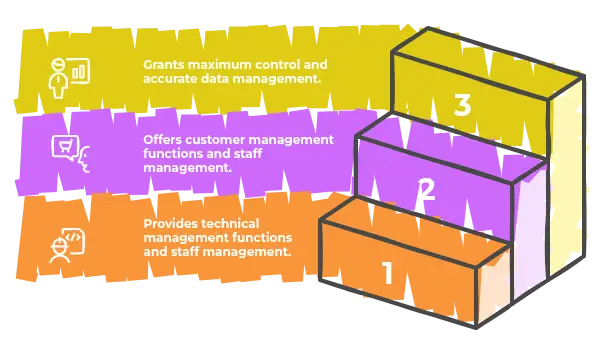
The platform is divided into three main sections:
Each with specific features designed to streamline workflows and enhance productivity.
This integrated approach reduces complexity, saves time, and provides agencies with a 360° view of both their websites and their business operations.
At WPImperium, security and data protection are built into every layer of our platform. Our infrastructure is hosted on secure EU-based data centers that follow internationally recognized security standards, while our servers are configured according to modern web security best practices.
You’ll notice that the WPImperium’s UI looks very similar to WordPress. In fact, the UI was cloned. Here are the benefits:
The platform is structured into three main roles. Developers handle the technical side, like site optimization and stats, while Sellers focus on customer management, including quotes and contracts. Both roles have access to the staff section to log their working hours.
The Admin has full oversight, combining the tools of both previous roles with added management power.
Developers can perform bulk updates on WordPress core and plugins directly from the dashboard.
Yes, specific plugins include WEBP image conversion, automated WooCommerce image uploads via SKU, and AI-driven SEO optimization for Yoast.
The platform features a centralized Redis database management page to monitor system status and improve site stability.
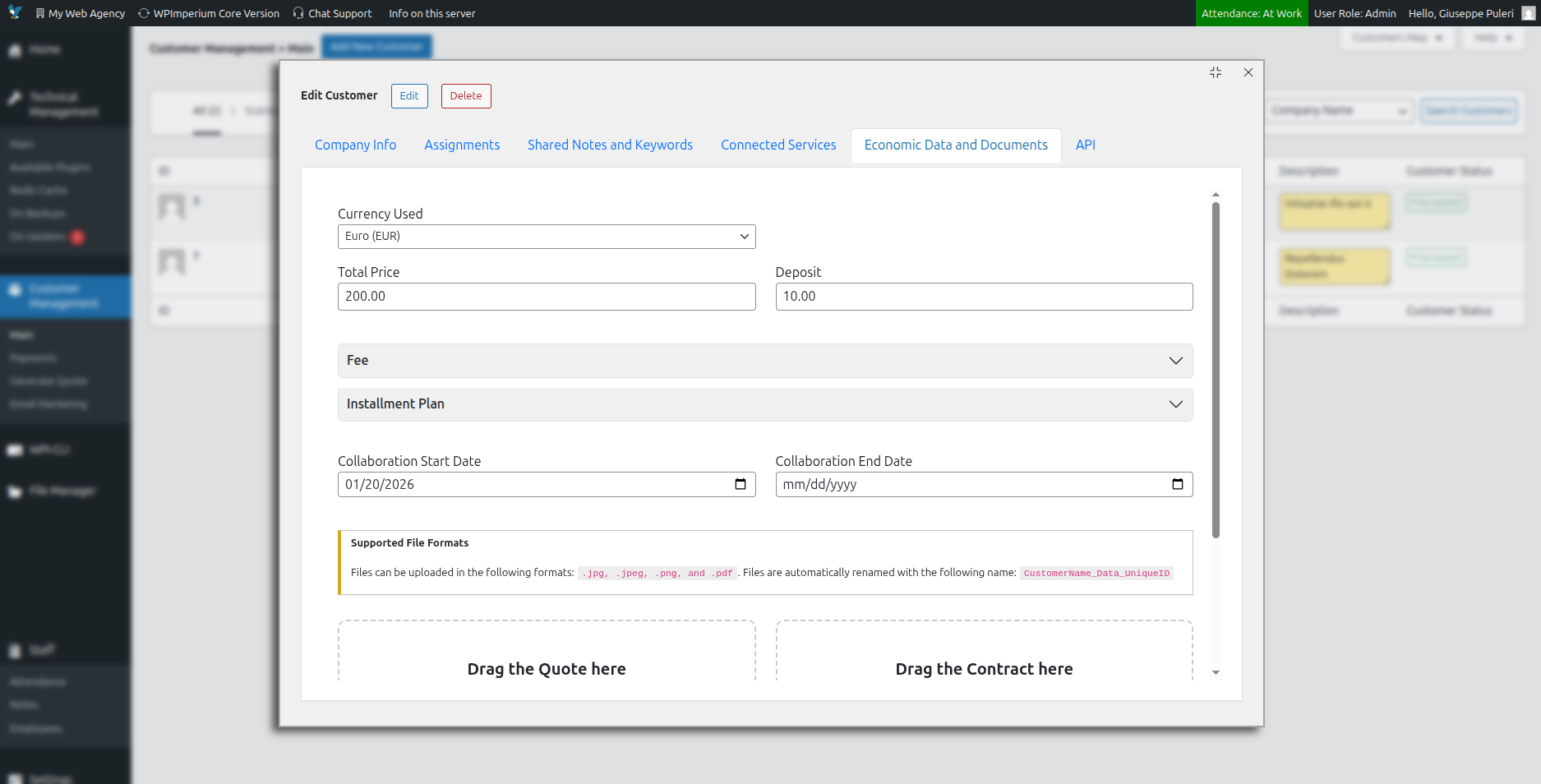
Agencies can track customer status (from negotiation to completion), assign them to specific sellers/developers, and store encrypted credentials.
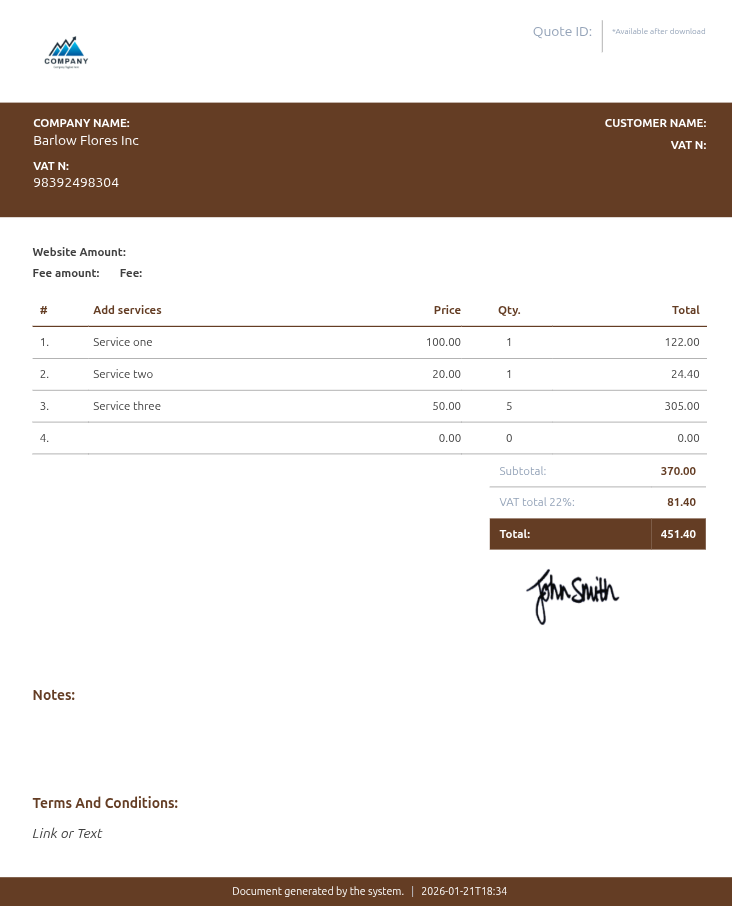
Yes, you can create, save, and download PDF quotes, manage installment plans, and track revenues/costs.
The system provides visibility into payment status and allows manual reminders via WhatsApp or Email.
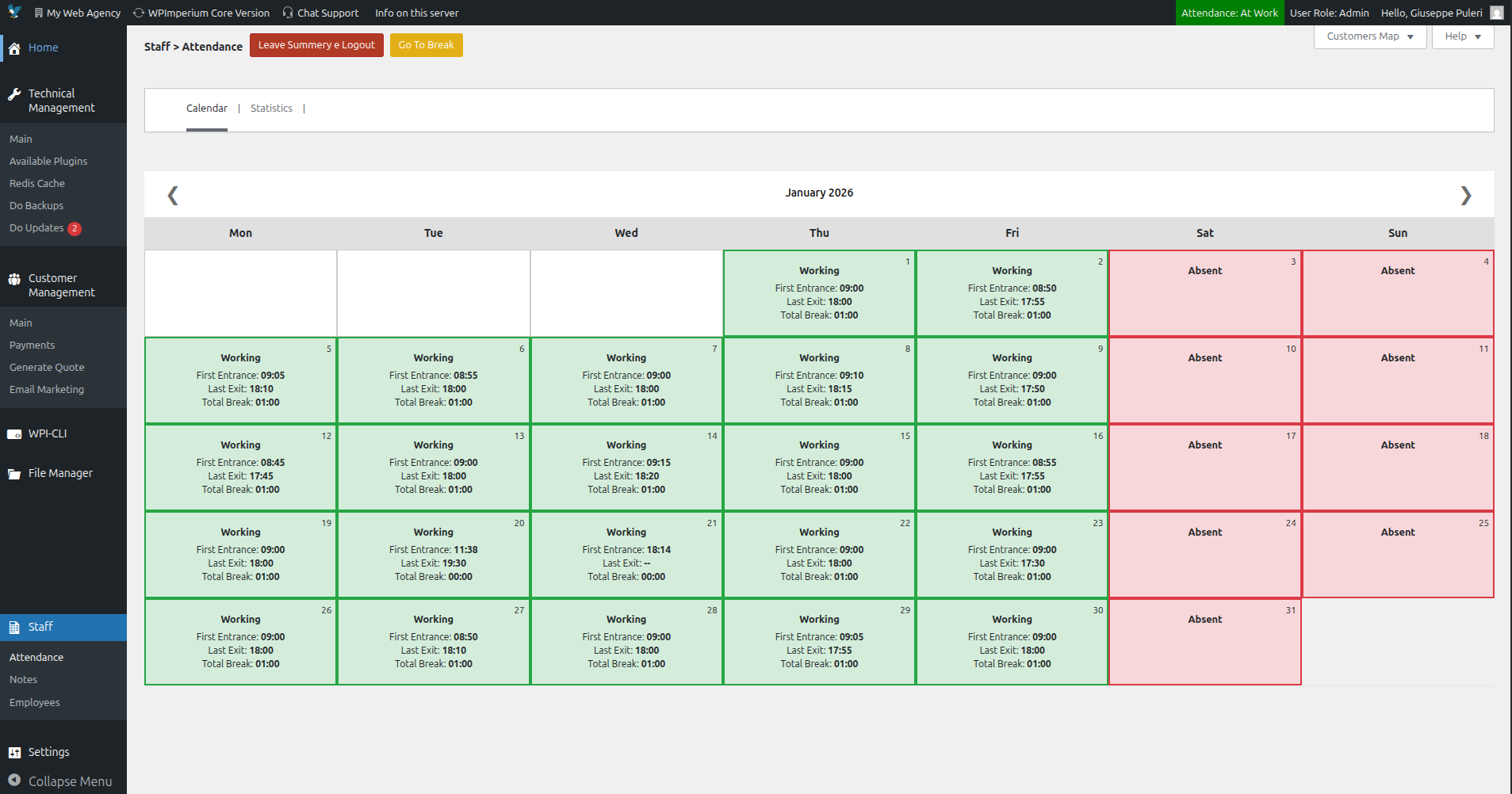
Employees use an attendance page for check-in/out, logging break hours and daily activity notes.
Admins can export an XML file containing attendance data specifically for accountants to generate payroll.
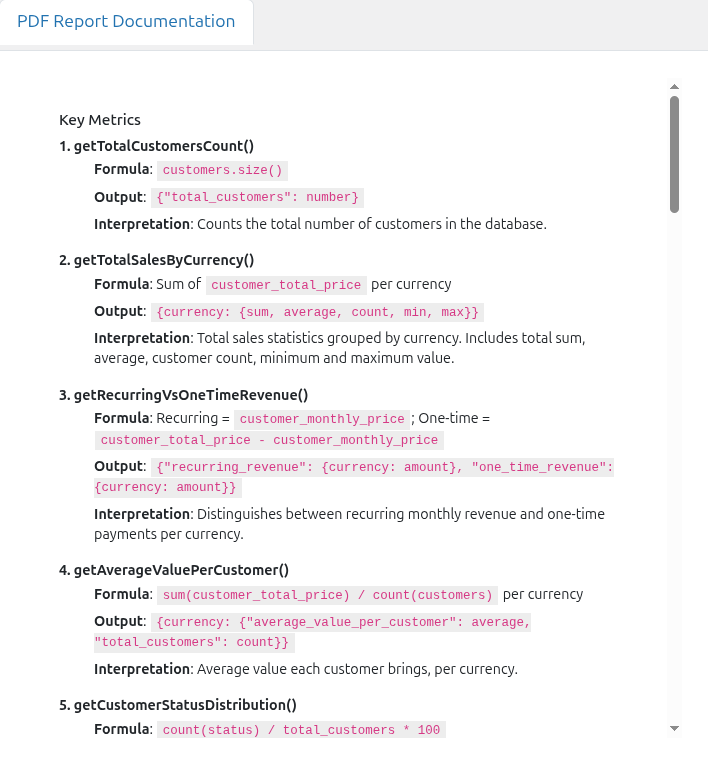
Yes, the system calculates monthly stats including work/break ratios, productivity trends, and wellness monitoring using C++ for precision.
A command-line interface that allows technical staff to perform mass actions, like updating all customer sites, via terminal.
The platform is built on Laravel (MVC), utilizes C++ for heavy computations, and uses Redis for session management and caching.
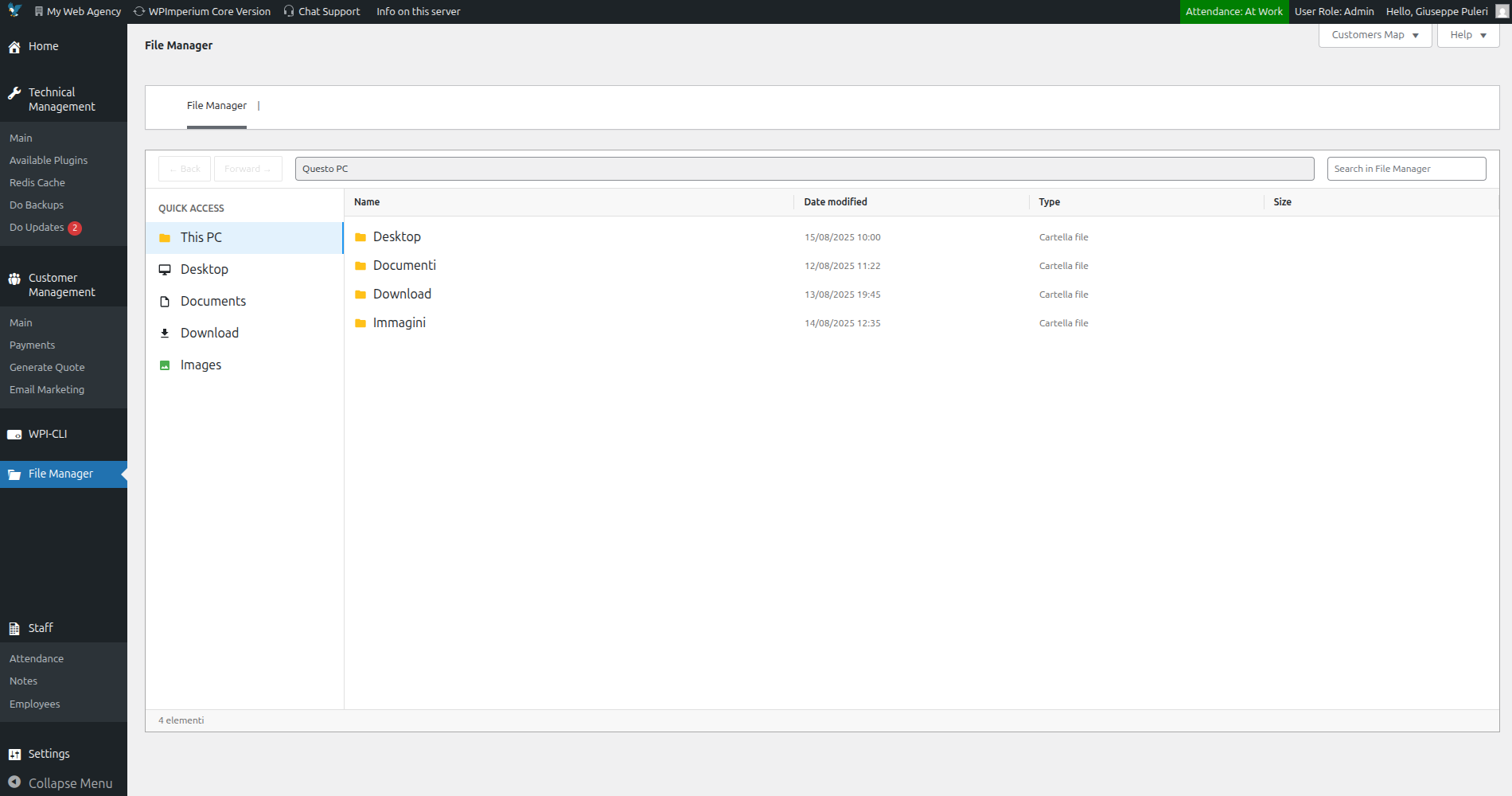
Yes, a built-in File-Manager with a Windows Explorer-like UI allows the team to organize and share documents and images